The upper mid-range smartphone segment has evolved dramatically over the past few years. What was once a category filled with compromise has now become the most exciting battleground in the industry. In 2026, performance, battery endurance, premium build quality, and aggressive pricing are no longer limited to flagship devices.
The Redmi Turbo 5 series represents this shift perfectly.
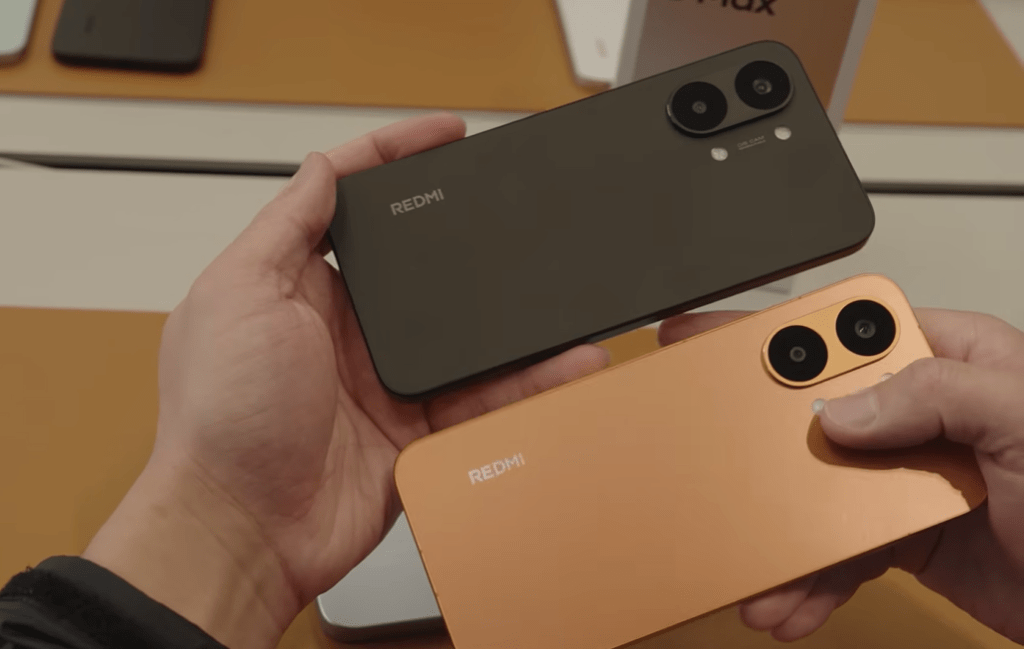
With the launch of the Redmi Turbo 5 Max and Redmi Turbo 5, Xiaomi has made a clear statement: performance-first smartphones can deliver flagship-grade power, massive batteries, premium materials, and ultra-fast charging — all without crossing flagship price territory.
These two devices share the same philosophy but target slightly different user needs. One pushes endurance and top-tier silicon to the extreme, while the other balances power, practicality, and affordability.
This in-depth blog explores everything you need to know about the Redmi Turbo 5 series — including pricing expectations in India, full specifications, design philosophy, performance capabilities, gaming stability, battery endurance, display quality, camera performance, durability, connectivity, and overall value proposition.
Redmi Turbo 5 Series Positioning in the Market
The Redmi Turbo 5 lineup sits in the upper mid-range category. However, its hardware suggests ambitions beyond that label.
Instead of focusing purely on camera hardware — as many brands do — the Turbo series prioritizes:
- Sustained performance
- Large battery capacity
- Fast charging
- Thermal stability
- Premium build quality
This approach targets gamers, heavy users, multitaskers, and performance-focused buyers.
Pricing and Expected India Launch Position
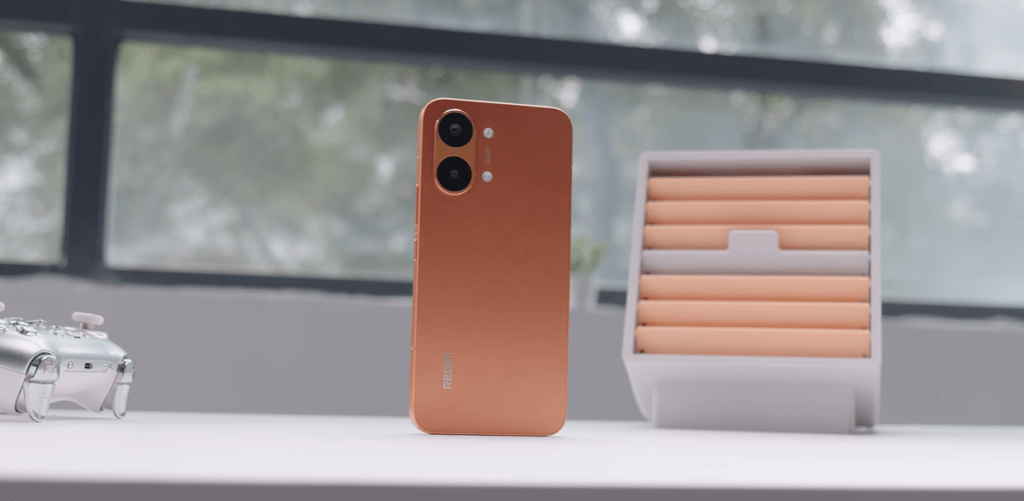
The Redmi Turbo 5 Max launched in China around the $300–$320 range depending on configuration. Based on conversion and segment placement, its expected price in India could fall between ₹26,000 and ₹29,000 for the base variant, with higher storage options potentially exceeding ₹32,000.
The Redmi Turbo 5, currently priced around ₱20,000 in the Philippines, is expected to land in India between ₹28,000 and ₹32,000 for the 12GB + 256GB variant, depending on branding and positioning.
If Xiaomi maintains aggressive pricing, both devices could strongly disrupt the performance segment under ₹30,000.
Xiaomi Redmi Turbo 5 Max vs Redmi Turbo 5 Design Philosophy – Premium Materials Meet Practical Engineering
One of the most impressive aspects of the Redmi Turbo 5 series is its build quality.
The Redmi Turbo 5 Max features a CNC-machined metal frame combined with a fiberglass composite back panel. This combination delivers a sturdy, premium in-hand feel typically associated with flagship devices. The flat-edge frame design adds a modern aesthetic, while the camera module features refined metal detailing that enhances visual appeal.
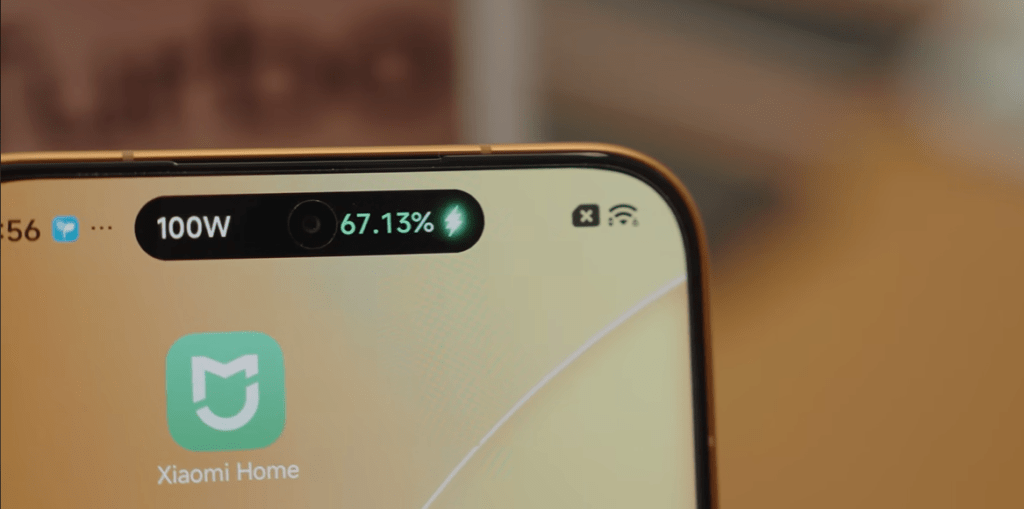
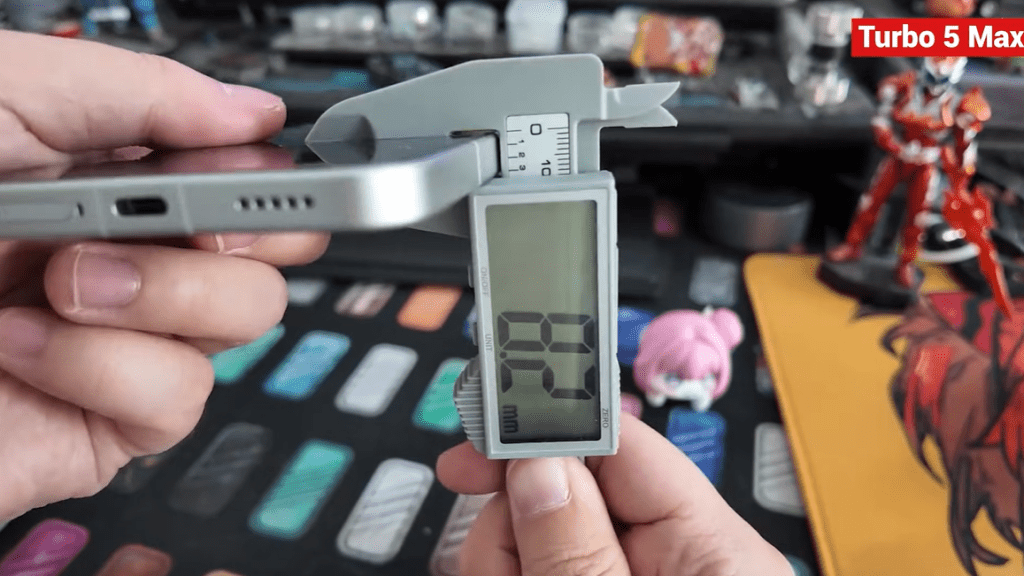
Despite housing a massive 9,000mAh battery, the device maintains a relatively slim profile at approximately 8.2mm thickness. Weighing 219 grams, it feels solid but not excessively heavy considering its battery capacity.
The Redmi Turbo 5, while slightly lighter at 204 grams, still offers an aluminum frame and matte-finish back panel. The matte texture effectively resists fingerprints and maintains a clean appearance during daily use. Subtle sporty accents and a distinctive camera ring design add character without appearing flashy.
In terms of durability, the Turbo 5 Max stands out with IP68 and IP69K certification — a rare feature in this price bracket. The standard Turbo 5 includes IP68 protection, offering solid resistance against dust and water.
This level of durability significantly enhances long-term reliability and daily confidence.
Xiaomi Redmi Turbo 5 Max vs Redmi Turbo 5 Display Experience – Bright, Smooth, and Immersive
Both devices feature high-refresh AMOLED panels designed for immersive media consumption and gaming.
The Redmi Turbo 5 Max includes a 6.83-inch AMOLED display with a 1.5K resolution (1280 × 2772 pixels) and a 120Hz refresh rate. It supports Dolby Vision, HDR10+, HDR Vivid, and an impressive peak brightness of up to 3,500 nits. The inclusion of 3840Hz PWM dimming ensures reduced eye strain at low brightness levels.
Its near-symmetrical bezels and punch-hole design contribute to a modern, immersive appearance. The ultrasonic in-display fingerprint sensor enhances unlocking speed and accuracy.
The Redmi Turbo 5 features a slightly smaller 6.59-inch AMOLED display with 1268 × 2756 resolution and a 120Hz refresh rate. Interestingly, it boasts a peak brightness rating of up to 4,000 nits, making it exceptionally strong for outdoor visibility.
In real-world usage, both displays deliver:
- Smooth scrolling
- Fluid animations
- Vibrant color reproduction
- Excellent sunlight legibility
- Stable HDR playback
For video streaming, gaming, social media browsing, and multitasking, the experience remains consistently satisfying.
Xiaomi Redmi Turbo 5 Max vs Redmi Turbo 5 Performance – Flagship-Level Ambitions
Performance is the heart of the Turbo 5 series.
The Redmi Turbo 5 Max is powered by the MediaTek Dimensity 9500-series chipset built on a 3nm process. This chip delivers benchmark scores exceeding 2.8 million on Antutu, placing it dangerously close to flagship-tier Snapdragon processors. Combined with LPDDR5X RAM and UFS 4.1 storage, the device offers exceptional read/write speeds and seamless multitasking.
The Redmi Turbo 5 runs on the MediaTek Dimensity 8500 Ultra built on a 4nm process. It achieves approximately 2.3 million on Antutu — an impressive score for its class. While slightly below the Max variant, it still offers upper-tier performance that exceeds most mid-range competitors.
In daily use, both devices feel:
- Extremely responsive
- Lag-free
- Fast in app launches
- Stable during multitasking
- Efficient under heavy workloads
There is no noticeable stutter during navigation or application switching.
Xiaomi Redmi Turbo 5 Max vs Redmi Turbo 5 Gaming Performance – Sustained and Stable
Gaming is clearly a priority for the Turbo lineup.
The Redmi Turbo 5 Max integrates an advanced cooling system featuring a large 3D loop cooling structure and expanded graphite heat dissipation layers. This allows sustained performance during long gaming sessions with minimal throttling.
The Redmi Turbo 5 also performs exceptionally well. In tests reaching 120 FPS gameplay, frame rates remained stable between 115–120 FPS during extended sessions. After 30 minutes of gaming, device temperature remained around 37–38°C — a very controlled thermal result.
For competitive gamers, both devices deliver high refresh gameplay without sudden frame drops.
Xiaomi Redmi Turbo 5 Max vs Redmi Turbo 5 Battery – Where the Turbo 5 Max Sets a New Standard
Battery endurance is where the Redmi Turbo 5 Max truly separates itself.
With a massive 9,000mAh battery, it offers nearly two full days of heavy usage. Even under demanding conditions with 5G enabled and prolonged screen-on time, the battery drain remains impressively controlled.
The Redmi Turbo 5 includes a 7,560mAh battery — still far larger than most competitors in the segment. It comfortably handles full-day heavy usage with room to spare.
Both devices support:
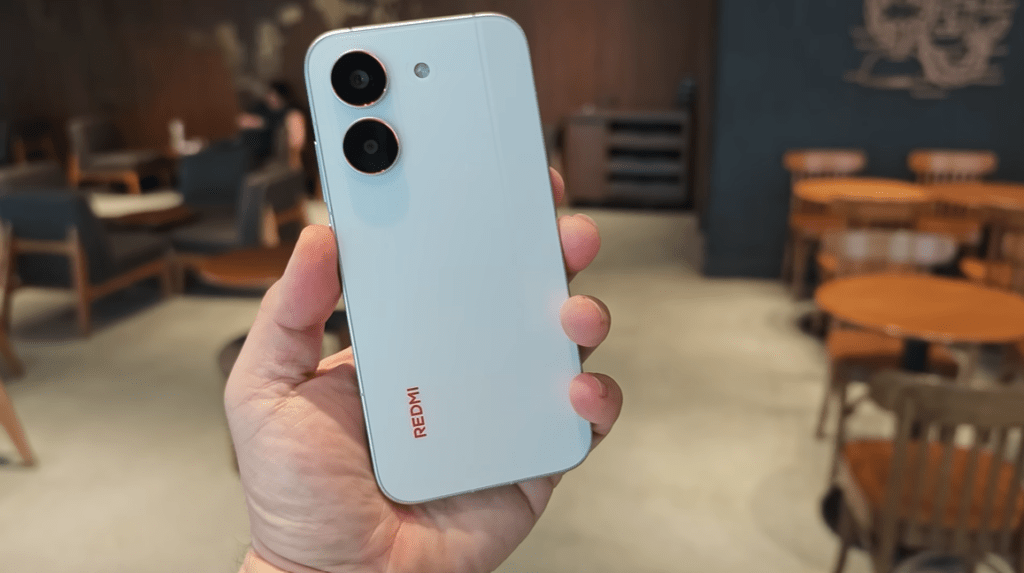
- 100W wired fast charging
- 27W reverse wired charging
The inclusion of a 100W charger in the box remains a strong value advantage. Even with such large battery capacities, charging times remain surprisingly short.
Reverse charging functionality allows either device to act as a power bank for other gadgets.
Xiaomi Redmi Turbo 5 Max vs Redmi Turbo 5 Camera System – Balanced but Not the Main Focus
The Turbo 5 series is performance-driven rather than photography-centric.
Both models include:
- 50MP main camera with OIS
- 8MP ultra-wide camera
- 20MP front camera
Daylight performance is strong with good detail and dynamic range. Indoor and low-light shots are acceptable, though not class-leading. Autofocus performance is reliable, and video recording supports 4K resolution.
The camera system performs well for social media, video calls, and casual photography, but it is not designed to compete with camera-focused flagships.
Xiaomi Redmi Turbo 5 Max vs Redmi Turbo 5 Software Experience – HyperOS 3 and Android 16
Both devices run on Android 16 with Xiaomi’s HyperOS 3.
The user interface feels:
- Smooth
- Modern
- Responsive
- Feature-rich
Animations are fluid, multitasking is stable, and haptic feedback is precise. AI-powered features such as real-time subtitles and smart image recognition enhance usability.
There are no major functional differences in software experience between the two models.
Xiaomi Redmi Turbo 5 Max vs Redmi Turbo 5 Connectivity and Additional Features
Both devices support:
- 5G connectivity
- Wi-Fi 7
- Bluetooth 5.4
- NFC
- IR blaster
- In-display fingerprint sensor
- Face unlock
The Turbo 5 Max includes broader 5G band support in certain regions. However, network compatibility may vary based on carrier.
Multimedia performance is strong thanks to dual stereo speakers and enhanced volume tuning.
Xiaomi Redmi Turbo 5 Max vs Redmi Turbo 5 Overall Value Proposition
The Redmi Turbo 5 series is built for users who prioritize:
- Performance over camera gimmicks
- Battery endurance over thinness
- Charging speed over wireless convenience
- Stability over flashy marketing
The Turbo 5 Max appeals to those who want maximum endurance and top-tier silicon. The Turbo 5 appeals to users who want high performance in a slightly lighter and more balanced package.
Xiaomi Redmi Turbo 5 Max vs Redmi Turbo 5 Final Thoughts
The Redmi Turbo 5 series represents a major shift in upper mid-range smartphone expectations.
Instead of incremental improvements, Xiaomi delivers:
- Massive batteries
- Flagship-level performance
- 100W fast charging
- Premium build materials
- Strong durability certifications
- High-refresh AMOLED displays
The Turbo lineup proves that mid-range pricing no longer means mid-range performance.
For heavy users, gamers, and performance enthusiasts, the Redmi Turbo 5 series stands as one of the most compelling smartphone launches of 2026.
It doesn’t try to be everything.
Redmi Turbo 5 Max vs Turbo 5 General Specifications Comparison
| Feature | Redmi Turbo 5 | Redmi Turbo 5 Max |
|---|---|---|
| Model | Turbo 5 | Turbo 5 Max |
| SIM Type | Dual SIM (GSM + GSM) | Dual SIM (GSM + GSM) |
| Dual SIM | Yes | Yes |
| SIM Size | Nano + Nano SIM | Nano SIM |
| Device Type | Smartphone | Smartphone |
| Release Date | January 29, 2026 | January 29, 2026 |
Redmi Turbo 5 Max vs Turbo 5 Design Comparison
| Feature | Redmi Turbo 5 | Redmi Turbo 5 Max |
|---|---|---|
| Dimensions | 75.2 × 157.5 × 8.2 mm | 77.9 × 163 × 8.2 mm |
| Weight | 204 g | 219 g |
| Bezel-less | No | Yes (Slim bezels) |
| Colors | Black, White, Mint | Black, White, Blue, Orange |
| Water Resistance | 1.5m up to 30 min | 2m up to 30 min |
| IP Rating | IP68 | IP68 / IP69K |
| Dust Resistant | Yes | Yes |
Redmi Turbo 5 Max vs Turbo 5 Display Comparison
| Feature | Redmi Turbo 5 | Redmi Turbo 5 Max |
|---|---|---|
| Display Type | AMOLED (1B Colors) | AMOLED (68.7B Colors) |
| Screen Size | 6.59 inches | 6.83 inches |
| Resolution | 1268 × 2756 pixels | 1280 × 2772 pixels |
| Refresh Rate | 120Hz | 120Hz |
| Aspect Ratio | 20.1:9 | 20:9 |
| PPI | ~460 PPI | ~447 PPI |
| Screen-to-Body Ratio | ~89.8% | ~90.2% |
| Peak Brightness | 4000 nits (peak) | 3500 nits (peak) |
| Additional Features | — | 3840Hz PWM, Dolby Vision, HDR10+, HDR Vivid |
| Notch | Punch Hole | Punch Hole |
Redmi Turbo 5 Max vs Turbo 5 Memory & Storage Comparison
| Feature | Redmi Turbo 5 | Redmi Turbo 5 Max |
|---|---|---|
| RAM | 12 GB | 12 GB |
| Expandable RAM | Up to 12GB Virtual | Not Mentioned |
| Storage | 256 GB | 256 GB |
| Storage Type | Standard | UFS 4.1 |
Redmi Turbo 5 Max vs Turbo 5 Connectivity Comparison
| Feature | Redmi Turbo 5 | Redmi Turbo 5 Max |
|---|---|---|
| GPRS | Yes | Yes |
| EDGE | Yes | Yes |
| 3G | Yes | Yes |
| 4G | Yes | Yes |
| 5G | Yes | Yes |
| 5G Bands | Not Specified | SA & NSA (Extensive band support) |
| VoLTE | Yes (Dual Standby) | Yes (Dual Standby) |
| Wi-Fi | Wi-Fi 7 | Wi-Fi 802.11 a/b/g/n/ac/6/7 |
| Bluetooth | v5.4 (A2DP, LE, aptX, LHDC 5) | v5.4 (A2DP, LE) |
| USB | USB-C v2.0 | USB-C v2.0 |
| USB Features | USB OTG | USB OTG, USB Charging |
| IR Blaster | Yes | Yes |
| NFC | Yes | Yes |
Redmi Turbo 5 Max vs Turbo 5 Extra Features Comparison
| Feature | Redmi Turbo 5 | Redmi Turbo 5 Max |
|---|---|---|
| GPS | A-GPS, GLONASS, GALILEO, BDS | A-GPS, GLONASS, BDS, GALILEO, QZSS, NavIC |
| Fingerprint Sensor | In-Display | In-Display |
| Face Unlock | Yes | Yes |
| Sensors | Accelerometer, Gyro, Compass, Proximity | Accelerometer, Gyro, Compass, Proximity |
| 3.5mm Jack | No | No |
Redmi Turbo 5 Max vs Turbo 5 Camera Comparison
Rear Camera Comparison
| Feature | Redmi Turbo 5 | Redmi Turbo 5 Max |
|---|---|---|
| Main Camera | 50MP ƒ/1.5 | 50MP ƒ/1.5 |
| Ultra-Wide | 8MP ƒ/2.2 | 8MP ƒ/2.2 |
| OIS | Yes | Yes |
| Autofocus | Yes | Yes |
| Camera Features | HDR, Panorama | HDR, Panorama |
| Video Recording | 4K, 1080p | 4K @ 60fps, 1080p @ 60fps |
| Flash | LED | LED |
Front Camera Comparison
| Feature | Redmi Turbo 5 | Redmi Turbo 5 Max |
|---|---|---|
| Front Camera | 20MP ƒ/2.2 | 20MP ƒ/2.2 |
| Design | Punch Hole | Punch Hole |
| Front Video | 1080p @ 30fps | 1080p @ 30fps |
Redmi Turbo 5 Max vs Turbo 5 Technical Specifications Comparison
| Feature | Redmi Turbo 5 | Redmi Turbo 5 Max |
|---|---|---|
| Operating System | Android v16 | Android v16 |
| Custom UI | HyperOS 3 | HyperOS |
| Chipset | MediaTek Dimensity 8500 Ultra | MediaTek Dimensity 9500s |
| CPU | 3.4 GHz Octa-Core | 3.73 GHz Octa-Core |
| GPU | Mali-G720 MC8 | Immortalis-G925 MC12 |
| Java | No | No |
| Browser | Yes | Yes |
Redmi Turbo 5 Max vs Turbo 5 Multimedia Comparison
| Feature | Redmi Turbo 5 | Redmi Turbo 5 Max |
|---|---|---|
| Yes | Yes | |
| Music | Yes | Yes |
| Video | Yes | Yes |
| FM Radio | No | No |
| Document Reader | Yes | Yes |
Redmi Turbo 5 Max vs Turbo 5 Battery Comparison
| Feature | Redmi Turbo 5 | Redmi Turbo 5 Max |
|---|---|---|
| Battery Type | Non-Removable | Non-Removable |
| Battery Capacity | 7560 mAh (Si/C) | 9000 mAh (Li-Po) |
| Fast Charging | 100W | 100W |
| Reverse Charging | 27W | 27W |
